
Ano Meria: The Rural Soul of Folegandros
Farmsteads, matsata pasta, the Folklore Museum and the roads to the wild western beaches: why Ano Meria deserves at least half a day.
What Ano Meria is (and why it doesn't look like a village)
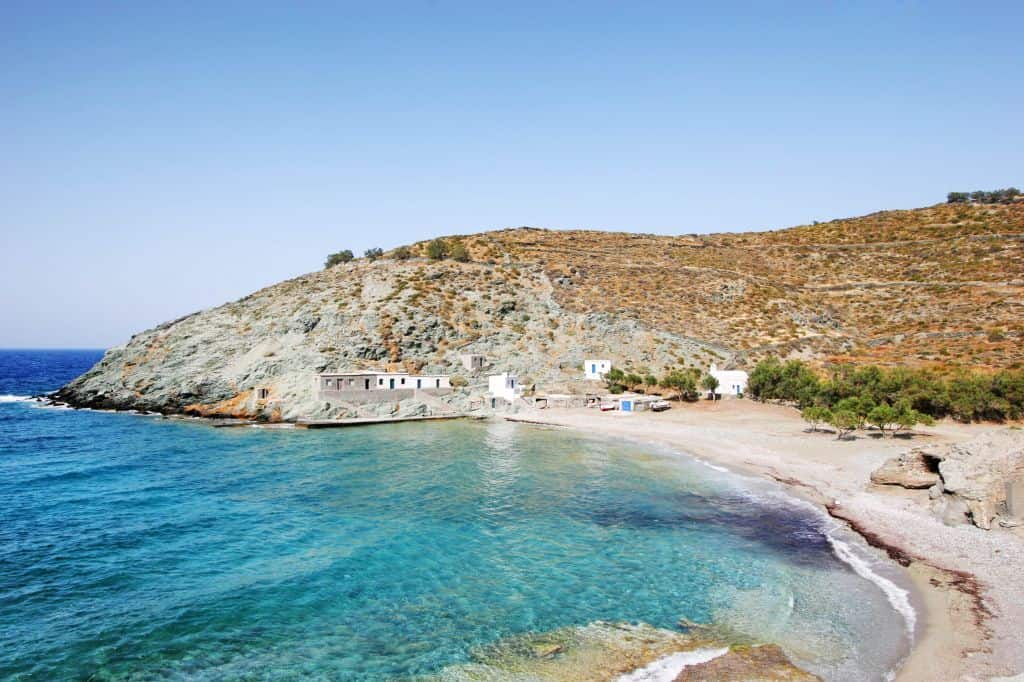
Five kilometres northwest of Chora, Ano Meria stretches along the main road with no centre, no square, no 'set piece'. It is a living farming settlement of themonies — Folegandros' self-sufficient farmsteads, each with its own threshing floor, oven and cistern — where residents still grow crops, harvest and graze goats on the stone terraces. This is the island as it existed before tourism. The ride from Chora is one of the loveliest short drives in the Cyclades: a ridgeline with the sea on both sides.
The Folklore Museum: a farmstead you can step into
To understand what you're looking at, start with the Folklore (Ecological & Folk) Museum: a restored themonia showing how an Ano Meria family lived — the wine press, the wood oven, the harvest tools, the threshing floor. It opens in the summer months, usually in the afternoons, for a token fee. It won't take more than 30–40 minutes, but it changes how you see the rest of the island: the dry-stone walls and threshing circles you pass everywhere suddenly make sense.
Matsata and tavernas: where the island eats
Ano Meria is Folegandros' culinary capital. In its tavernas — simple, family-run, with tables in courtyards — you'll eat the island's best matsata: hand-rolled pasta traditionally served with rooster or rabbit in tomato sauce. Pair it with souroto cheese, local eggs and house wine. Portions are generous and prices are farm prices, not tourist prices. An extra reason to come in the evening: the ride back to Chora under the stars, village lights flickering in the distance, is a small journey in itself.
Ano Meria's beaches: the gateway west
All roads to the island's wild shores start at Ano Meria: the dirt road to Agios Georgios in the north, the tracks to Livadaki and Ambeli in the west, and the old footpaths for those who prefer to hike. None of these beaches has a canteen — stock up at the village grocery stores before heading down. This is also where a 4×4 ATV goes from luxury to necessity: the descents to the sea are steep and gravelly, and you want a vehicle with grip and brakes you trust.
Frequently asked questions
Related guides
 Beaches
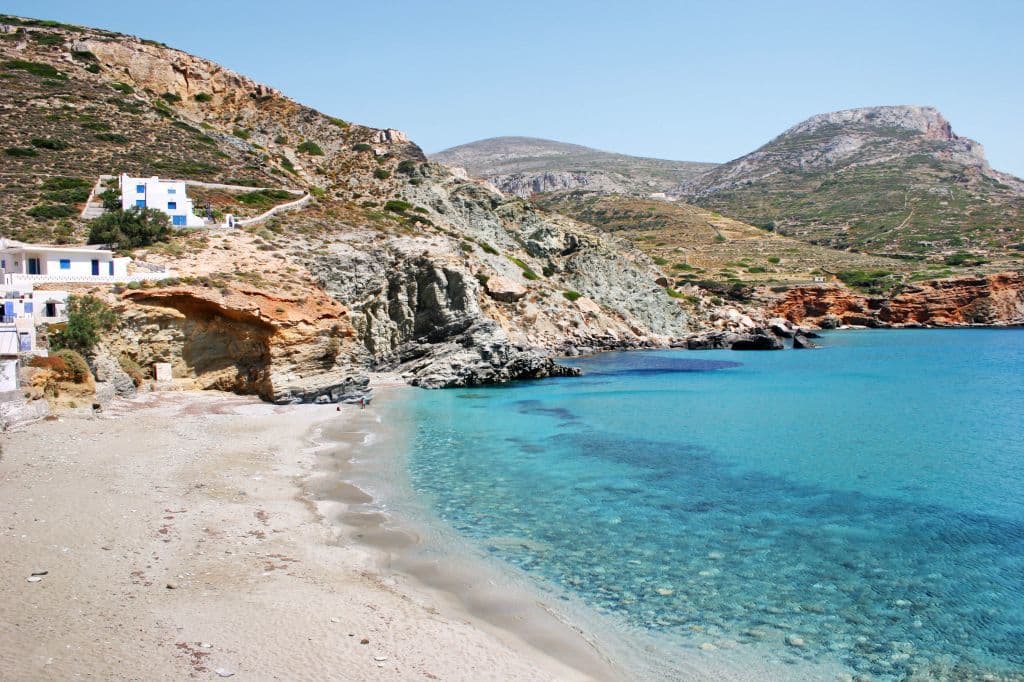
Folegandros Beaches: Which One Is Right for You
All twelve Folegandros beaches compared by access, wind, sand and shade, so you can pick the right one for your day, not just the famous one.
 Plan your trip
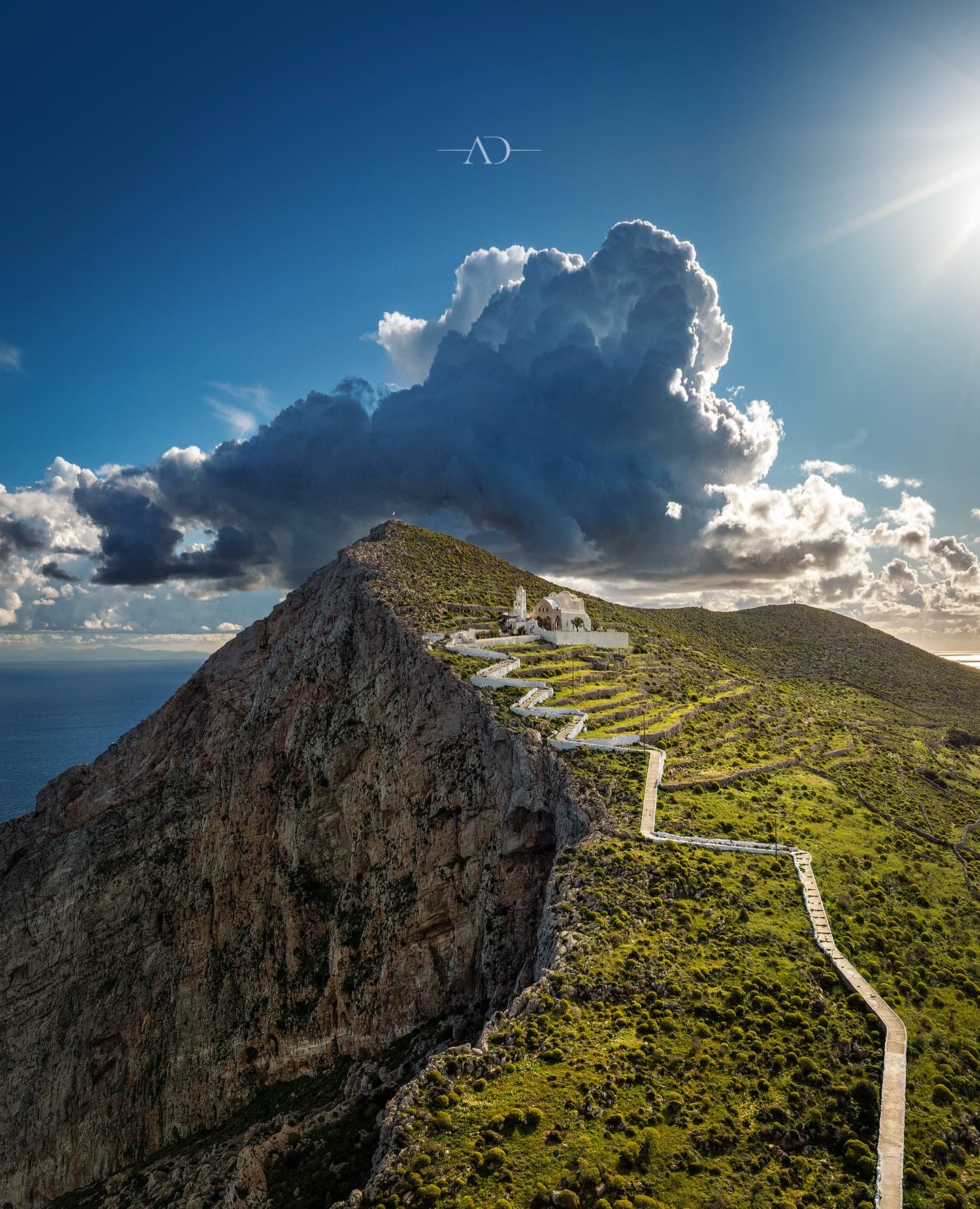
Exploring Folegandros: The Ultimate 3-Day Scooter & ATV Itinerary
A 3-day route from Karavostasis and Chora to Agali, Katergo and Ano Meria.
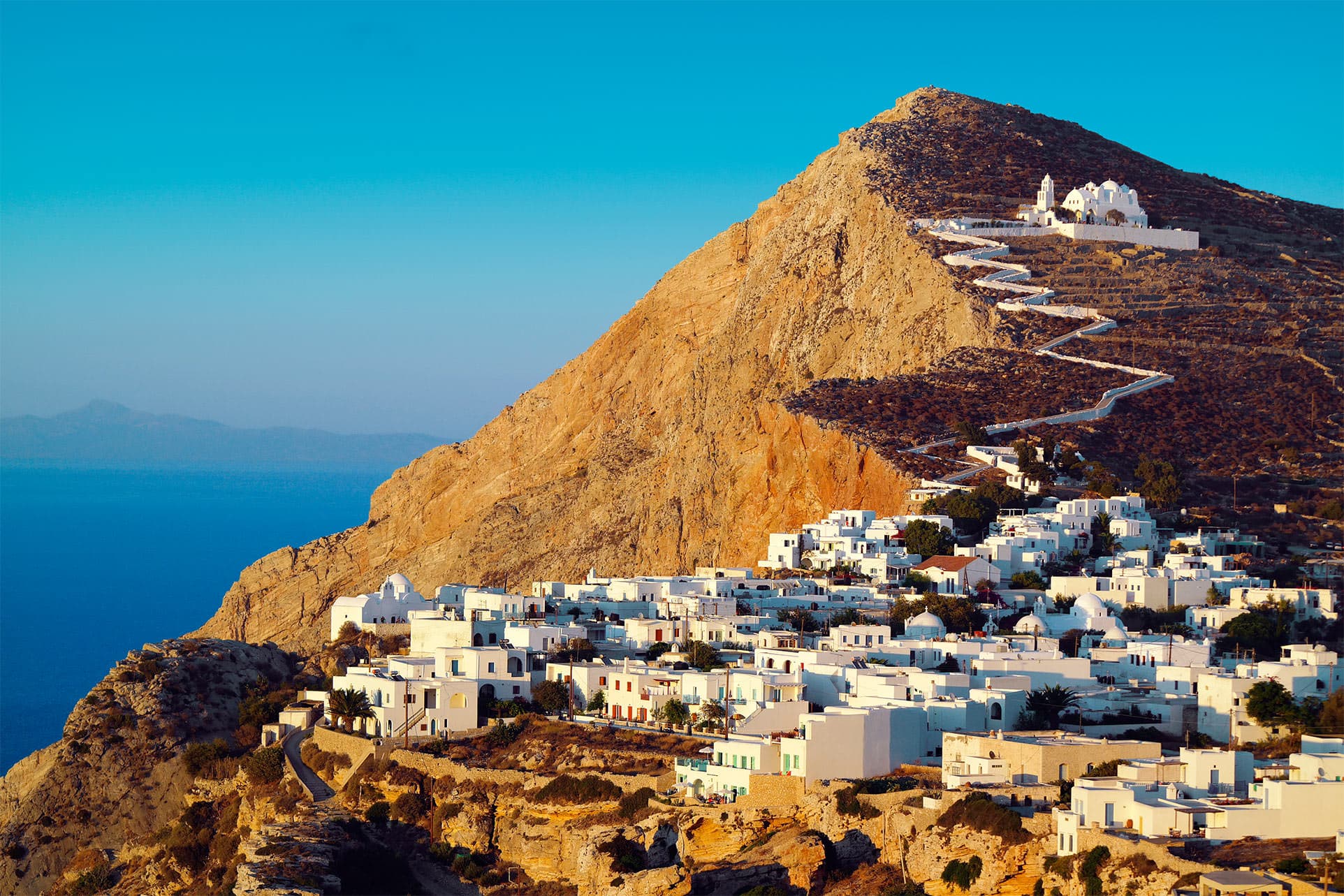 Villages & sights
Folegandros Chora: A Guide to One of the Most Beautiful Villages in the Cyclades
The Kastro, three squares, Panagia church and a sunset from a 200-metre cliff: everything you need to know about Folegandros Chora.
Explore western Folegandros
Book online in a minute or message us on WhatsApp.